How to Handle Rosacea in Different Seasons
- posted: Apr. 02, 2025
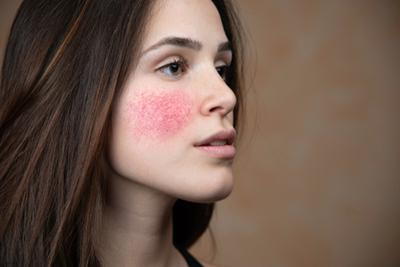
Rosacea's symptoms can be unpredictable, as these often flare up with changes in the weather. Many patients struggle with redness, irritation, and flare-ups that worsen depending on the season. Whether you're battling summer heat or winter dryness, understanding how to manage rosacea throughout the year is key to keeping your skin calm and comfortable. You can learn more about rosacea by reading below and contacting Dr. Linda Nims, Dr. Rebecca Barry, and Dr. Kelley Redbord from Dermatology & Dermatologic Surgery Group of Northern Virginia in Vienna, VA.
How Seasonal Changes Affect Rosacea
Each season brings different challenges for those with rosacea. In the summer, increased heat and sun exposure can trigger flare-ups, while cold, dry air in winter can leave skin irritated and sensitive. Even spring and fall, with fluctuating temperatures and allergens, can lead to unpredictable symptoms. Knowing what to expect and how to adapt your skincare routine accordingly can make a significant difference in controlling rosacea symptoms.
Tips for Managing Rosacea Year-Round
One of the biggest triggers for rosacea is temperature extremes. In the summer, wearing a broad-spectrum sunscreen, using lightweight moisturizers, and staying in the shade can help minimize redness. Hydration is also crucial—drinking plenty of water and using gentle, non-comedogenic moisturizers can prevent excessive dryness. During the winter, switching to a richer moisturizer and using a humidifier can help counteract the drying effects of cold air and indoor heating.
Spring and fall can be tricky seasons, as unpredictable weather shifts may cause unexpected flare-ups. If allergens contribute to your rosacea, taking precautions such as using hypoallergenic skincare products and avoiding excessive exposure to pollen can help. It's also essential to pay attention to personal triggers and adjust habits accordingly.
How a Dermatologist Can Help
Managing rosacea effectively often requires professional guidance. A dermatologist can assess your skin and recommend treatments tailored to your needs, including prescription creams, laser therapy, or oral medications. If over-the-counter remedies are ineffective, seeking expert care can provide relief and long-term management strategies.
Rosacea Treatment in Vienna, VA
Rosacea doesn't have to dictate your confidence or comfort. By understanding how the seasons impact your skin and making small adjustments, you can keep flare-ups under control.
If you're ready to find relief from rosacea symptoms, you should schedule a consultation with Dr. Nims, Dr. Barry, and Dr. Redbord from Dermatology & Dermatologic Surgery Group of Northern Virginia in Vienna, VA, by dialing (703) 938-5700.
- posted: Apr. 02, 2025
Rosacea's symptoms can be unpredictable, as these often flare up with changes in the weather. Many patients struggle with redness, irritation, and flare-ups that worsen depending on the season. Whether you're battling summer heat or winter dryness, understanding how to manage rosacea throughout the year is key to keeping your skin calm and comfortable. You can learn more about rosacea by reading below and contacting Dr. Linda Nims, Dr. Rebecca Barry, and Dr. Kelley Redbord from Dermatology & Dermatologic Surgery Group of Northern Virginia in Vienna, VA.
How Seasonal Changes Affect Rosacea
Each season brings different challenges for those with rosacea. In the summer, increased heat and sun exposure can trigger flare-ups, while cold, dry air in winter can leave skin irritated and sensitive. Even spring and fall, with fluctuating temperatures and allergens, can lead to unpredictable symptoms. Knowing what to expect and how to adapt your skincare routine accordingly can make a significant difference in controlling rosacea symptoms.
Tips for Managing Rosacea Year-Round
One of the biggest triggers for rosacea is temperature extremes. In the summer, wearing a broad-spectrum sunscreen, using lightweight moisturizers, and staying in the shade can help minimize redness. Hydration is also crucial—drinking plenty of water and using gentle, non-comedogenic moisturizers can prevent excessive dryness. During the winter, switching to a richer moisturizer and using a humidifier can help counteract the drying effects of cold air and indoor heating.
Spring and fall can be tricky seasons, as unpredictable weather shifts may cause unexpected flare-ups. If allergens contribute to your rosacea, taking precautions such as using hypoallergenic skincare products and avoiding excessive exposure to pollen can help. It's also essential to pay attention to personal triggers and adjust habits accordingly.
How a Dermatologist Can Help
Managing rosacea effectively often requires professional guidance. A dermatologist can assess your skin and recommend treatments tailored to your needs, including prescription creams, laser therapy, or oral medications. If over-the-counter remedies are ineffective, seeking expert care can provide relief and long-term management strategies.
Rosacea Treatment in Vienna, VA
Rosacea doesn't have to dictate your confidence or comfort. By understanding how the seasons impact your skin and making small adjustments, you can keep flare-ups under control.
If you're ready to find relief from rosacea symptoms, you should schedule a consultation with Dr. Nims, Dr. Barry, and Dr. Redbord from Dermatology & Dermatologic Surgery Group of Northern Virginia in Vienna, VA, by dialing (703) 938-5700.
Dermatology & Dermatologic Surgery Group of Northern Virginia, PLLC
243 Church Street NW, Suite 200-C,
Vienna, VA 22180
Monday - Friday
9:00 am - 12:30 pm
1:30 pm - 4:30 pm
Saturday, Sunday
Closed