Warning Signs of Melanoma: How to Check Your Skin at Home
- posted: Jun. 06, 2025
Melanoma is the most serious form of skin cancer, but early detection can make all the difference. When caught in its earliest stages, melanoma is highly treatable. At Dermatology & Dermatologic Surgery Group of Northern Virginia, located in Vienna, VA, we’re dedicated to empowering our patients with knowledge. Learning how to perform regular skin checks at home can help you recognize the warning signs of melanoma and take action early.
Why Regular Skin Checks Matter
Melanoma can develop anywhere on the skin—even in areas not commonly exposed to the sun, such as the scalp, soles of the feet, or under the nails. Checking your skin monthly helps you become familiar with your moles and spots, so you can notice any changes that may signal a problem.
The ABCDEs of Melanoma
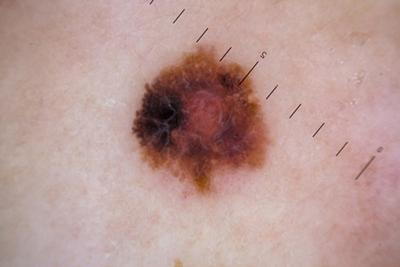
When examining your skin, use the ABCDE rule to identify suspicious moles:
- A – Asymmetry: One half of the mole doesn't match the other.
- B – Border: Edges are irregular, ragged, or blurred.
- C – Color: Multiple colors or uneven shades of brown, black, red, white, or blue.
- D – Diameter: Larger than 6mm (about the size of a pencil eraser), though melanomas can be smaller.
- E – Evolving: Any change in size, shape, color, or symptoms like bleeding or itching.
If you notice any of these signs, it’s important to schedule a professional skin exam as soon as possible.
How to Perform a Skin Self-Exam
Use a full-length mirror and a hand-held mirror in a well-lit room. Follow these steps:
- Check your face, ears, and scalp (part your hair to inspect the scalp).
- Examine your hands, including palms and under the nails.
- Look at your arms, underarms, and elbows.
- Inspect your neck, chest, torso, and under your breasts if applicable.
- Use a mirror to check your back, buttocks, and the back of your legs.
- Don’t forget your feet, soles, and between your toes.
Take notes or photos to track changes over time.
When to Call a Dermatologist
Even if a spot doesn’t meet all the ABCDE criteria, any new, changing, or unusual skin growth should be evaluated. At our Vienna clinic, we offer thorough skin cancer screenings and expert dermatologic care to give you peace of mind.
Call (703) 938-5700 to schedule an appointment with Dermatology & Dermatologic Surgery Group of Northern Virginia. Your skin’s health is in your hands—let us help you protect it.
- posted: Jun. 06, 2025
Melanoma is the most serious form of skin cancer, but early detection can make all the difference. When caught in its earliest stages, melanoma is highly treatable. At Dermatology & Dermatologic Surgery Group of Northern Virginia, located in Vienna, VA, we’re dedicated to empowering our patients with knowledge. Learning how to perform regular skin checks at home can help you recognize the warning signs of melanoma and take action early.
Why Regular Skin Checks Matter
Melanoma can develop anywhere on the skin—even in areas not commonly exposed to the sun, such as the scalp, soles of the feet, or under the nails. Checking your skin monthly helps you become familiar with your moles and spots, so you can notice any changes that may signal a problem.
The ABCDEs of Melanoma
When examining your skin, use the ABCDE rule to identify suspicious moles:
- A – Asymmetry: One half of the mole doesn't match the other.
- B – Border: Edges are irregular, ragged, or blurred.
- C – Color: Multiple colors or uneven shades of brown, black, red, white, or blue.
- D – Diameter: Larger than 6mm (about the size of a pencil eraser), though melanomas can be smaller.
- E – Evolving: Any change in size, shape, color, or symptoms like bleeding or itching.
If you notice any of these signs, it’s important to schedule a professional skin exam as soon as possible.
How to Perform a Skin Self-Exam
Use a full-length mirror and a hand-held mirror in a well-lit room. Follow these steps:
- Check your face, ears, and scalp (part your hair to inspect the scalp).
- Examine your hands, including palms and under the nails.
- Look at your arms, underarms, and elbows.
- Inspect your neck, chest, torso, and under your breasts if applicable.
- Use a mirror to check your back, buttocks, and the back of your legs.
- Don’t forget your feet, soles, and between your toes.
Take notes or photos to track changes over time.
When to Call a Dermatologist
Even if a spot doesn’t meet all the ABCDE criteria, any new, changing, or unusual skin growth should be evaluated. At our Vienna clinic, we offer thorough skin cancer screenings and expert dermatologic care to give you peace of mind.
Call (703) 938-5700 to schedule an appointment with Dermatology & Dermatologic Surgery Group of Northern Virginia. Your skin’s health is in your hands—let us help you protect it.
Dermatology & Dermatologic Surgery Group of Northern Virginia, PLLC
243 Church Street NW, Suite 200-C,
Vienna, VA 22180
Monday - Friday
9:00 am - 12:30 pm
1:30 pm - 4:30 pm
Saturday, Sunday
Closed