How Dermatologists Use a Dermatoscope: A Behind-the-Scenes Look
- posted: Jul. 25, 2025
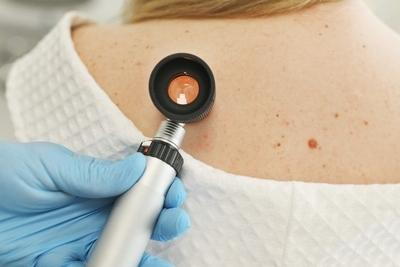
A dermatoscope is a handheld tool that gives dermatologists a magnified, illuminated view of the skin. Think of it as a specialized magnifying glass designed for medical skin exams. At Dermatology & Dermatologic Surgery Group of Northern Virginia, Dr. Linda Park Nims, Dr. Rebecca Rudd Barry, and Dr. Kelley Pagliai Redbord use this tool regularly to evaluate moles, rashes, lesions, and other skin changes with enhanced accuracy.
While a skin check might seem simple, what your dermatologist sees through a dermatoscope tells a much deeper story. This noninvasive device helps us assess the color, structure, and blood vessel patterns of a skin spot that the naked eye can’t detect.
Helping Identify Skin Cancer Early
One of the most important uses of dermatoscopy is the early detection of skin cancer. When a patient visits us for a full-body skin check or to evaluate a changing mole, we often use a dermatoscope to get a clearer picture. It allows us to see patterns that help us differentiate between benign growths and those that may need a biopsy or closer follow-up.
Dermatoscopy is especially useful for identifying early melanoma and distinguishing it from less concerning pigmented spots. This can reduce unnecessary procedures and also ensure that high-risk lesions are caught as early as possible.
Evaluating Non-Pigmented Lesions
The dermatoscope isn’t just for looking at moles. It also helps our Vienna, Virginia, team examine other types of lesions, such as small growths, flaky spots, or skin changes due to sun damage or chronic conditions. In some cases, it can even assist with diagnosing inflammatory skin diseases like psoriasis or lichen planus.
Because the tool provides a detailed image of surface and subsurface structures, it gives us more confidence in our diagnosis and allows for more targeted treatment recommendations.
A Better Experience for Patients
From your perspective, dermatoscopy is easy. During your visit, Dr. Nims, Dr. Barry, or Dr. Redbord may dim the lights slightly and hold the dermatoscope close to your skin to examine a specific spot. The process only takes a few seconds per lesion. It’s completely safe, with no discomfort or downtime.
We often use it during annual skin checks or when a patient comes in with a concern about a new or changing spot. If you’ve had skin cancer in the past or have many moles, dermatoscopy may be used more routinely as part of your ongoing care.
Why It Matters at Our Practice
At Dermatology & Dermatologic Surgery Group of Northern Virginia in Vienna, we take pride in offering thoughtful, thorough skin care. Dermatoscopy is one of many tools we use to provide evidence-based care and personalized attention. Our board-certified dermatologists stay current with evolving technology to help protect your skin and health.
If you're due for a skin check or have questions about a skin lesion, call us at (703) 938-5700.
- posted: Jul. 25, 2025
A dermatoscope is a handheld tool that gives dermatologists a magnified, illuminated view of the skin. Think of it as a specialized magnifying glass designed for medical skin exams. At Dermatology & Dermatologic Surgery Group of Northern Virginia, Dr. Linda Park Nims, Dr. Rebecca Rudd Barry, and Dr. Kelley Pagliai Redbord use this tool regularly to evaluate moles, rashes, lesions, and other skin changes with enhanced accuracy.
While a skin check might seem simple, what your dermatologist sees through a dermatoscope tells a much deeper story. This noninvasive device helps us assess the color, structure, and blood vessel patterns of a skin spot that the naked eye can’t detect.
Helping Identify Skin Cancer Early
One of the most important uses of dermatoscopy is the early detection of skin cancer. When a patient visits us for a full-body skin check or to evaluate a changing mole, we often use a dermatoscope to get a clearer picture. It allows us to see patterns that help us differentiate between benign growths and those that may need a biopsy or closer follow-up.
Dermatoscopy is especially useful for identifying early melanoma and distinguishing it from less concerning pigmented spots. This can reduce unnecessary procedures and also ensure that high-risk lesions are caught as early as possible.
Evaluating Non-Pigmented Lesions
The dermatoscope isn’t just for looking at moles. It also helps our Vienna, Virginia, team examine other types of lesions, such as small growths, flaky spots, or skin changes due to sun damage or chronic conditions. In some cases, it can even assist with diagnosing inflammatory skin diseases like psoriasis or lichen planus.
Because the tool provides a detailed image of surface and subsurface structures, it gives us more confidence in our diagnosis and allows for more targeted treatment recommendations.
A Better Experience for Patients
From your perspective, dermatoscopy is easy. During your visit, Dr. Nims, Dr. Barry, or Dr. Redbord may dim the lights slightly and hold the dermatoscope close to your skin to examine a specific spot. The process only takes a few seconds per lesion. It’s completely safe, with no discomfort or downtime.
We often use it during annual skin checks or when a patient comes in with a concern about a new or changing spot. If you’ve had skin cancer in the past or have many moles, dermatoscopy may be used more routinely as part of your ongoing care.
Why It Matters at Our Practice
At Dermatology & Dermatologic Surgery Group of Northern Virginia in Vienna, we take pride in offering thoughtful, thorough skin care. Dermatoscopy is one of many tools we use to provide evidence-based care and personalized attention. Our board-certified dermatologists stay current with evolving technology to help protect your skin and health.
If you're due for a skin check or have questions about a skin lesion, call us at (703) 938-5700.
Dermatology & Dermatologic Surgery Group of Northern Virginia, PLLC
243 Church Street NW, Suite 200-C,
Vienna, VA 22180
Monday - Friday
9:00 am - 12:30 pm
1:30 pm - 4:30 pm
Saturday, Sunday
Closed