When a Mole Should Be Checked by a Dermatologist
- posted: Mar. 23, 2026
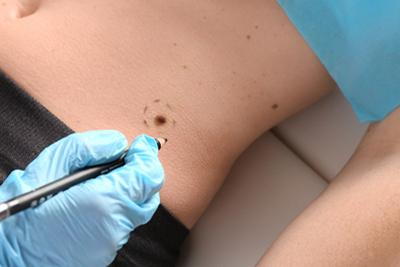
Moles are a common part of the skin for many people, and most are harmless. These small clusters of pigment-producing cells can appear anywhere on the body and often develop during childhood or early adulthood. While many moles remain stable for years, some may change over time. Recognizing when a mole should be evaluated by a professional is an important step in protecting long-term skin health. At Dermatology & Dermatologic Surgery Group of Northern Virginia, PLLC in Vienna, VA, patients can receive expert evaluation and guidance when questions about moles arise.
Changes in Size, Shape, or Color
One of the most important reasons to have a mole examined is a noticeable change in its appearance. A mole that begins to grow, change shape, or develop uneven borders may require closer attention. Changes in color can also be significant. While many moles are a uniform shade of brown, a mole that develops multiple colors or becomes darker in certain areas should be evaluated by a dermatologist.
Dermatologists carefully assess these changes because they may signal abnormal skin cell growth. Early evaluation allows potential concerns to be addressed before they become more serious.
A Mole That Looks Different from Others
Many individuals have several moles on their skin, and most share a similar appearance. When one mole stands out as noticeably different from the others, it is sometimes referred to as an “ugly duckling.” This means the mole may look larger, darker, or shaped differently compared with surrounding moles.
A dermatologist may recommend examining any mole that appears unusual or inconsistent with the rest of the skin. This type of evaluation can help determine whether the mole is benign or requires further observation.
New Moles Appearing in Adulthood
Although moles commonly develop during childhood and adolescence, it is less common for new ones to appear later in adulthood. When a new mole develops after the age of thirty, many dermatologists recommend having it evaluated.
While a new mole is not automatically a cause for concern, a professional skin examination helps ensure that the growth is normal. Dermatologists are trained to identify subtle differences between common moles and lesions that may require additional attention.
Symptoms Such as Itching or Bleeding
Most harmless moles do not cause symptoms. When a mole begins to itch, bleed, crust, or become painful, it is important to seek a professional evaluation. These symptoms may occur when the skin becomes irritated, but they can also indicate changes that deserve further examination.
Dermatologists may use specialized tools to closely inspect the mole and determine whether monitoring or removal is recommended. Early assessment can provide reassurance and ensure that any necessary treatment is addressed promptly.
Protecting Your Skin Health
Regular skin checks and awareness of changes in moles are important parts of preventive dermatologic care. Early detection allows dermatologists to identify potential concerns quickly and provide appropriate treatment when needed.
Dermatology & Dermatologic Surgery Group of Northern Virginia, PLLC in Vienna, VA, offers comprehensive skin evaluations for moles and other skin concerns. If you notice changes in a mole or have questions about your skin health, scheduling an appointment can provide valuable peace of mind. To learn more or make an appointment, call (703) 938-5700.
- posted: Mar. 23, 2026
Moles are a common part of the skin for many people, and most are harmless. These small clusters of pigment-producing cells can appear anywhere on the body and often develop during childhood or early adulthood. While many moles remain stable for years, some may change over time. Recognizing when a mole should be evaluated by a professional is an important step in protecting long-term skin health. At Dermatology & Dermatologic Surgery Group of Northern Virginia, PLLC in Vienna, VA, patients can receive expert evaluation and guidance when questions about moles arise.
Changes in Size, Shape, or Color
One of the most important reasons to have a mole examined is a noticeable change in its appearance. A mole that begins to grow, change shape, or develop uneven borders may require closer attention. Changes in color can also be significant. While many moles are a uniform shade of brown, a mole that develops multiple colors or becomes darker in certain areas should be evaluated by a dermatologist.
Dermatologists carefully assess these changes because they may signal abnormal skin cell growth. Early evaluation allows potential concerns to be addressed before they become more serious.
A Mole That Looks Different from Others
Many individuals have several moles on their skin, and most share a similar appearance. When one mole stands out as noticeably different from the others, it is sometimes referred to as an “ugly duckling.” This means the mole may look larger, darker, or shaped differently compared with surrounding moles.
A dermatologist may recommend examining any mole that appears unusual or inconsistent with the rest of the skin. This type of evaluation can help determine whether the mole is benign or requires further observation.
New Moles Appearing in Adulthood
Although moles commonly develop during childhood and adolescence, it is less common for new ones to appear later in adulthood. When a new mole develops after the age of thirty, many dermatologists recommend having it evaluated.
While a new mole is not automatically a cause for concern, a professional skin examination helps ensure that the growth is normal. Dermatologists are trained to identify subtle differences between common moles and lesions that may require additional attention.
Symptoms Such as Itching or Bleeding
Most harmless moles do not cause symptoms. When a mole begins to itch, bleed, crust, or become painful, it is important to seek a professional evaluation. These symptoms may occur when the skin becomes irritated, but they can also indicate changes that deserve further examination.
Dermatologists may use specialized tools to closely inspect the mole and determine whether monitoring or removal is recommended. Early assessment can provide reassurance and ensure that any necessary treatment is addressed promptly.
Protecting Your Skin Health
Regular skin checks and awareness of changes in moles are important parts of preventive dermatologic care. Early detection allows dermatologists to identify potential concerns quickly and provide appropriate treatment when needed.
Dermatology & Dermatologic Surgery Group of Northern Virginia, PLLC in Vienna, VA, offers comprehensive skin evaluations for moles and other skin concerns. If you notice changes in a mole or have questions about your skin health, scheduling an appointment can provide valuable peace of mind. To learn more or make an appointment, call (703) 938-5700.
Dermatology & Dermatologic Surgery Group of Northern Virginia, PLLC
243 Church Street NW, Suite 200-C,
Vienna, VA 22180
Monday - Friday
9:00 am - 12:30 pm
1:30 pm - 4:30 pm
Saturday, Sunday
Closed